
Executive Summary
Small and medium-sized businesses (SMBs) are navigating mixed demand, elevated input costs, and rising cyber risk. The promise of AI requires data foundations and workflow change. The differentiator is decision maturity—validate assumptions, align capacity to strategy, pace AI with ROI, and embed resilience.
Talent Challenges
34–38%Report hard‑to‑fill openings in 2025 (NFIB).
Cyber Risk
$4.88MAvg breach cost (IBM 2024); ransomware present in 44% of breaches (Verizon 2025).
The Current SMB Reality
Growth is uneven; margins are compressed. Tool sprawl often outpaces capacity when added without process redesign and training.
Revenue Stagnation Amid Rising Costs
Many SMBs report flat or declining demand alongside persistent inflation in key input costs—energy, materials, and labor—which has compressed margins across sectors. Rate relief helps on the margin but does not solve demand‑side pressures.
The Complexity Trap
In the face of pressure, some SMBs expand SKUs, enter new markets, or layer on tools. Diversification can reduce risk, but it often creates operational complexity that outpaces management capacity, especially when technology sprawl dilutes focus.
Cost Structure Pressure
Labor costs remain elevated since 2020 while productivity gains are uneven. Input costs are above pre‑2020 levels, squeezing margins.
Technology Sprawl
Stacks frequently include CRM/ERP, e‑commerce, marketing automation, cyber, and AI tools. Integration and maintenance often exceed tool‑level ROI.
The Need for Strategic Discipline
Top performers prioritize fewer, bigger bets; they strengthen core operations, build real capabilities, and make data‑driven decisions about limited resources.
Economic Headwinds and Market Dynamics
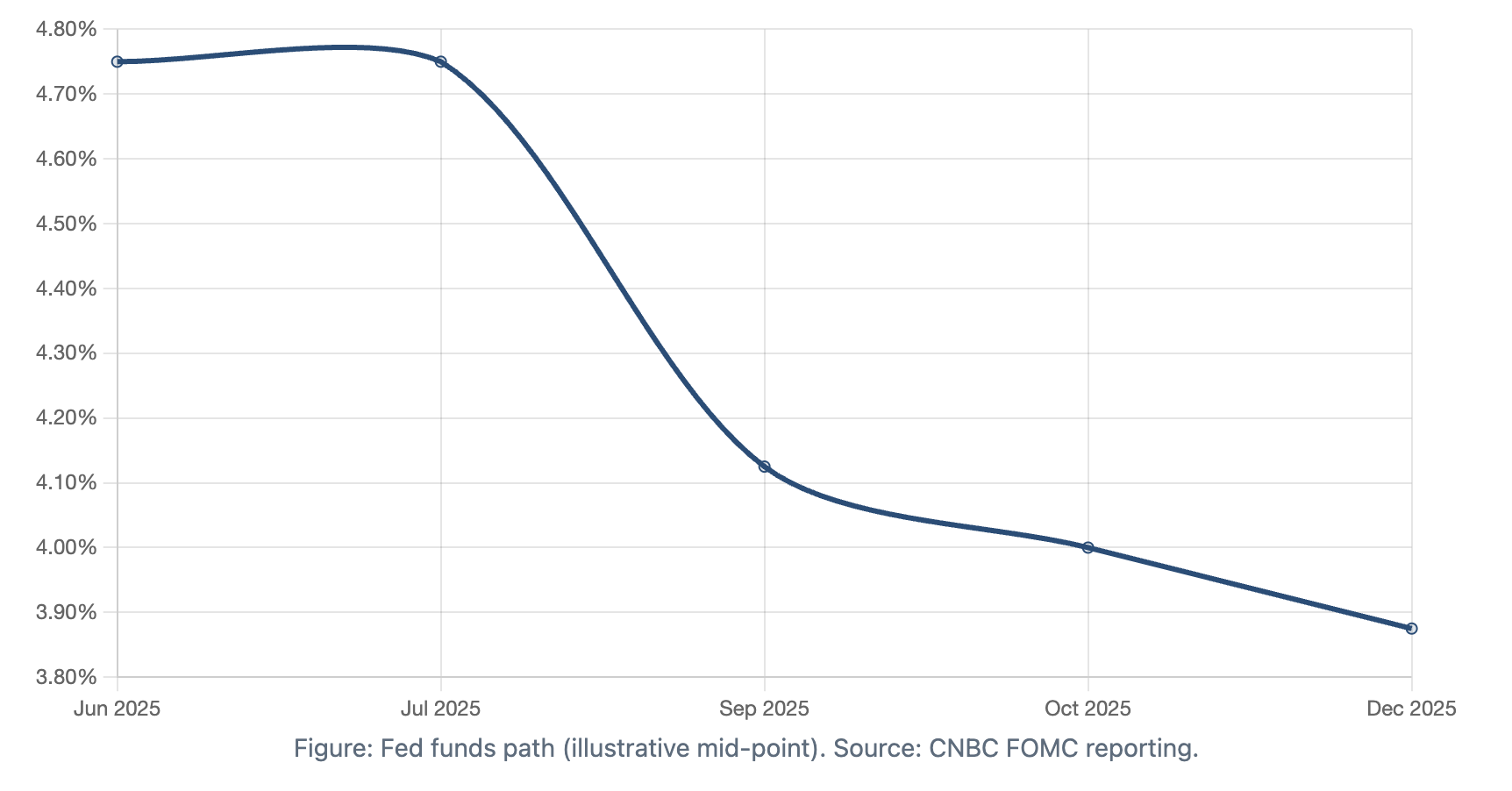
The Federal Reserve cut rates by 25 bps in Sep 2025 to 4.00–4.25% with potential further easing. Plan for “higher for longer (but easing)” and focus on controllables.
Policy Impact
Borrowing costs may ease incrementally; model refinancing scenarios.
Supply Chains
Stabilized but still vulnerable; diversify suppliers.
Spending Mix
Services outpace goods; middle-market pressure continues.
Credit
Underwriting remains tighter than pre‑2020 norms.
The Great Talent Realignment
Skills mismatches persist while wage expectations remain elevated. Preferences for flexibility and development are structural.
The Skills Gap Paradox
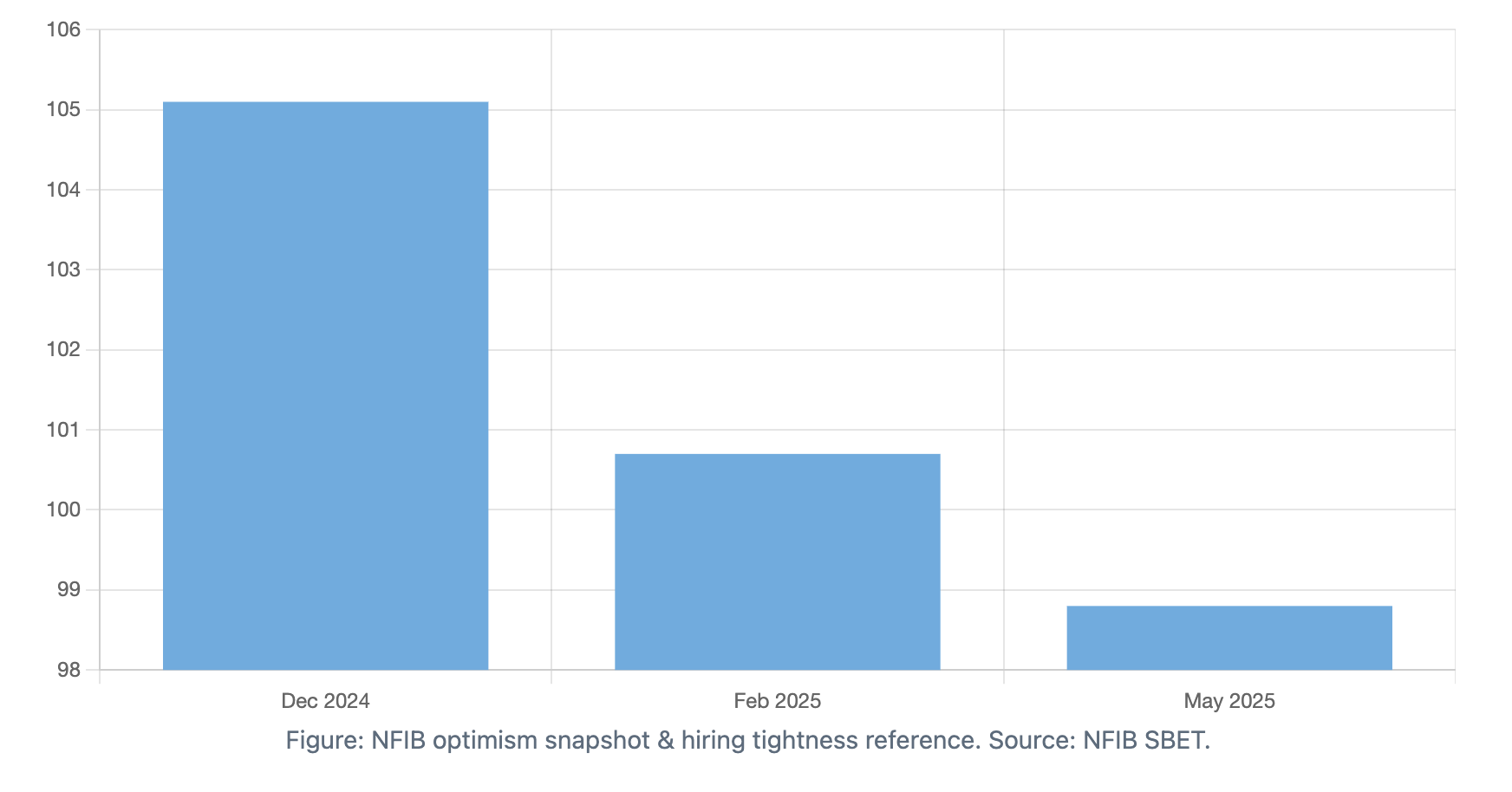
SMBs report difficulty hiring in AI/data, cybersecurity, and modern digital marketing—roles where demand outstrips supply. Throughout 2025, NFIB readings show 34–38% of owners with hard‑to‑fill openings.
Critical Skill Shortages
- Digital Marketing: Expertise in attribution, lifecycle automation, and content at scale.
- Data Analytics: Translating BI into operational decisions; data quality and governance.
- Cybersecurity: Identity, patching, backup/recovery, and vendor risk management.
- AI/Automation: Use‑case selection, prompt engineering, integration, and change management.
Rise of Independents, Coaches, and the Gig Economy
More than 72M Americans work independently; 5.6M earn $100K+ (MBO 2025). Verification matters—favor portfolio evidence and time‑boxed trials over titles.
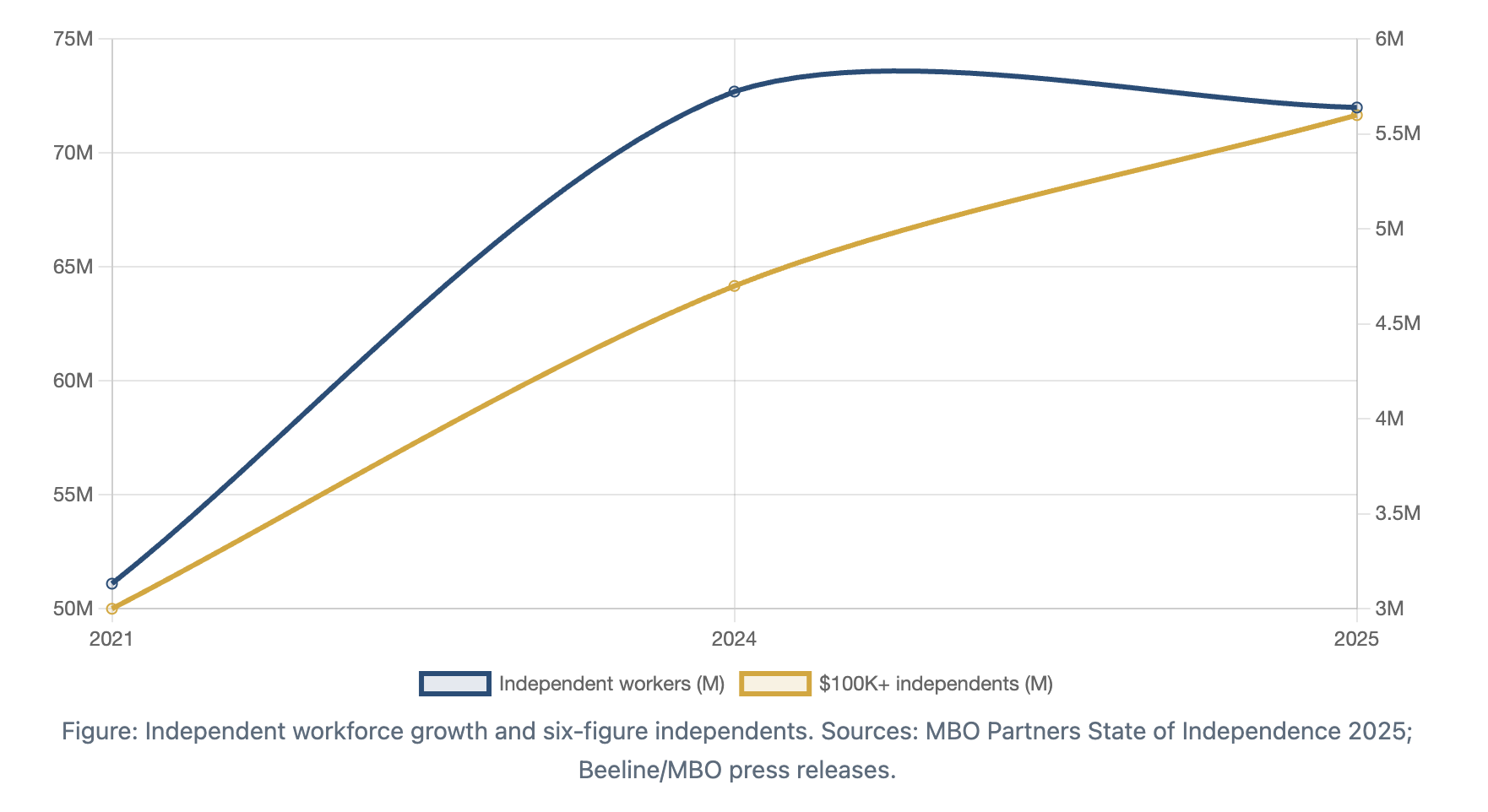
- Scale: More than 72M Americans now work independently; independent contractors grew ~42% since 2021 to ~72.7M in 2024 (MBO/Beeline).
- Quality tail: A record 5.6M independents earn $100K+ (up 19% YoY; 86% vs 2020), indicating a deepening skilled segment.
- Platformization: 42% of independents find work via platforms; 74% use gen AI—raising throughput but also resume noise.
Verification and Fit for SMBs
- Skills to outcomes: Enterprise roles don’t always translate to SMB constraints (smaller budgets, less support, faster cycles). Favor portfolio evidence over job titles.
- Signal checks: Require artifacts (dashboards, campaigns, code), client references, and time‑boxed paid trials to de‑risk.
- Blended model: Pair independents with a named owner internally; track deliverables and unit economics monthly.
AI Reality Check: Promise vs. Execution
Value comes from workflow redesign, data readiness, guardrails, and cost control—not tools alone.
The Implementation Gap
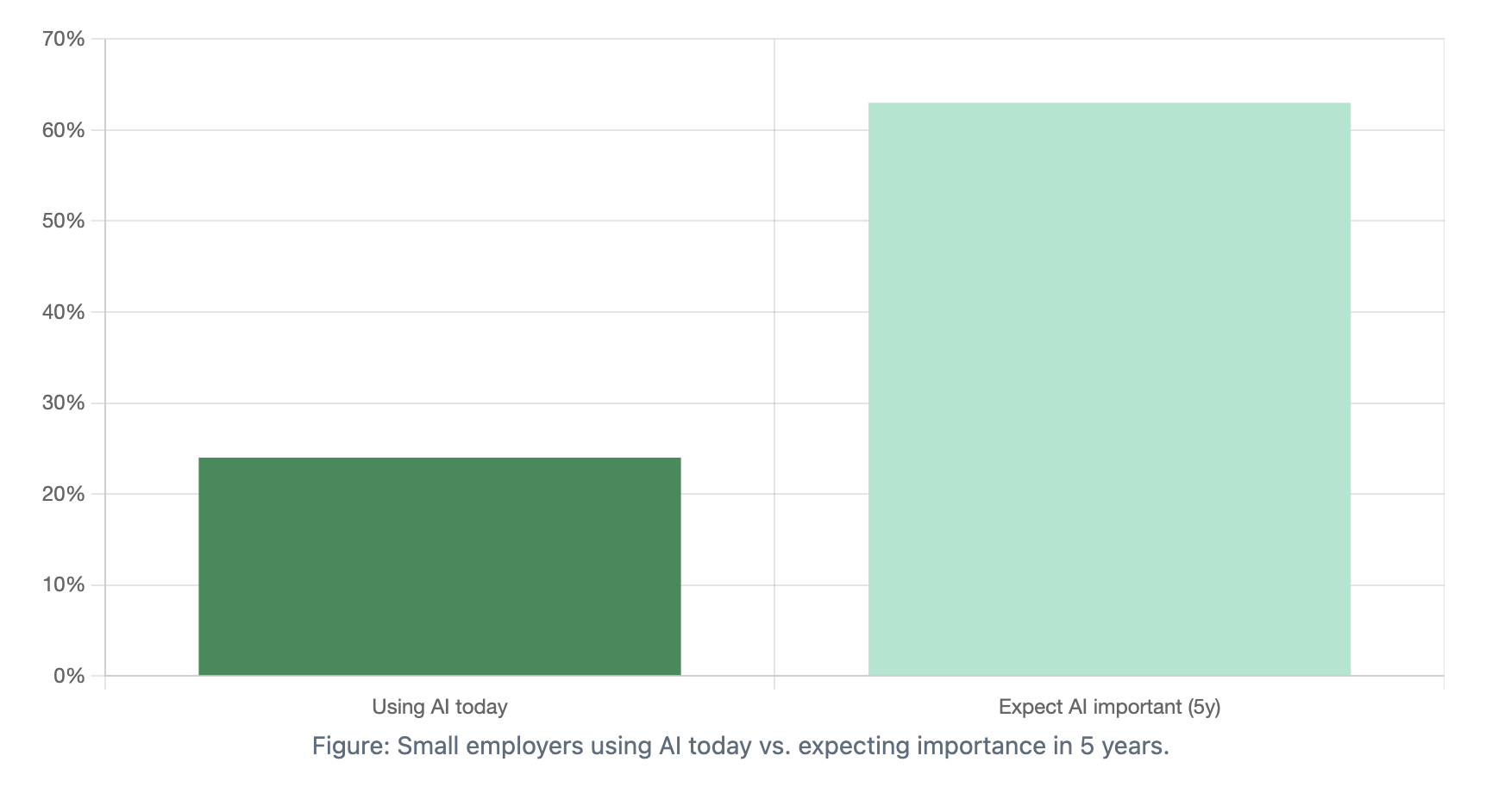
SMBs often lack internal expertise, face opaque pricing, and operate with fragmented data across vendor systems. Governance is frequently an afterthought, creating pilot purgatory and unclear ROI.
High‑Impact Use Cases
- Customer Service: Routing and response assist to reduce handle time and improve consistency.
- Ops & Maintenance: Predictive alerts to reduce downtime (lightweight sensor + model).
- Finance: Cash‑flow forecasting and variance analysis.
- Marketing: Segmentation, creative variants, and bid optimization with tight guardrails.
The Path to AI Value
- Start with a business problem and baseline metrics.
- Stand up FinOps guardrails and unit economics by use case.
- Invest in training before scale; build an internal playbook.
- Plan change management and data quality upfront.
Data Foundations, Digitalization, and the AI Hype Trap
For SMBs, durable AI value starts with data structure and practical digitalization. Without clean, accessible data and digitized workflows, AI pilots stall and costs escalate. Hype and FOMO can push teams to adopt tools before fundamentals, leading to tool sprawl and low ROI.
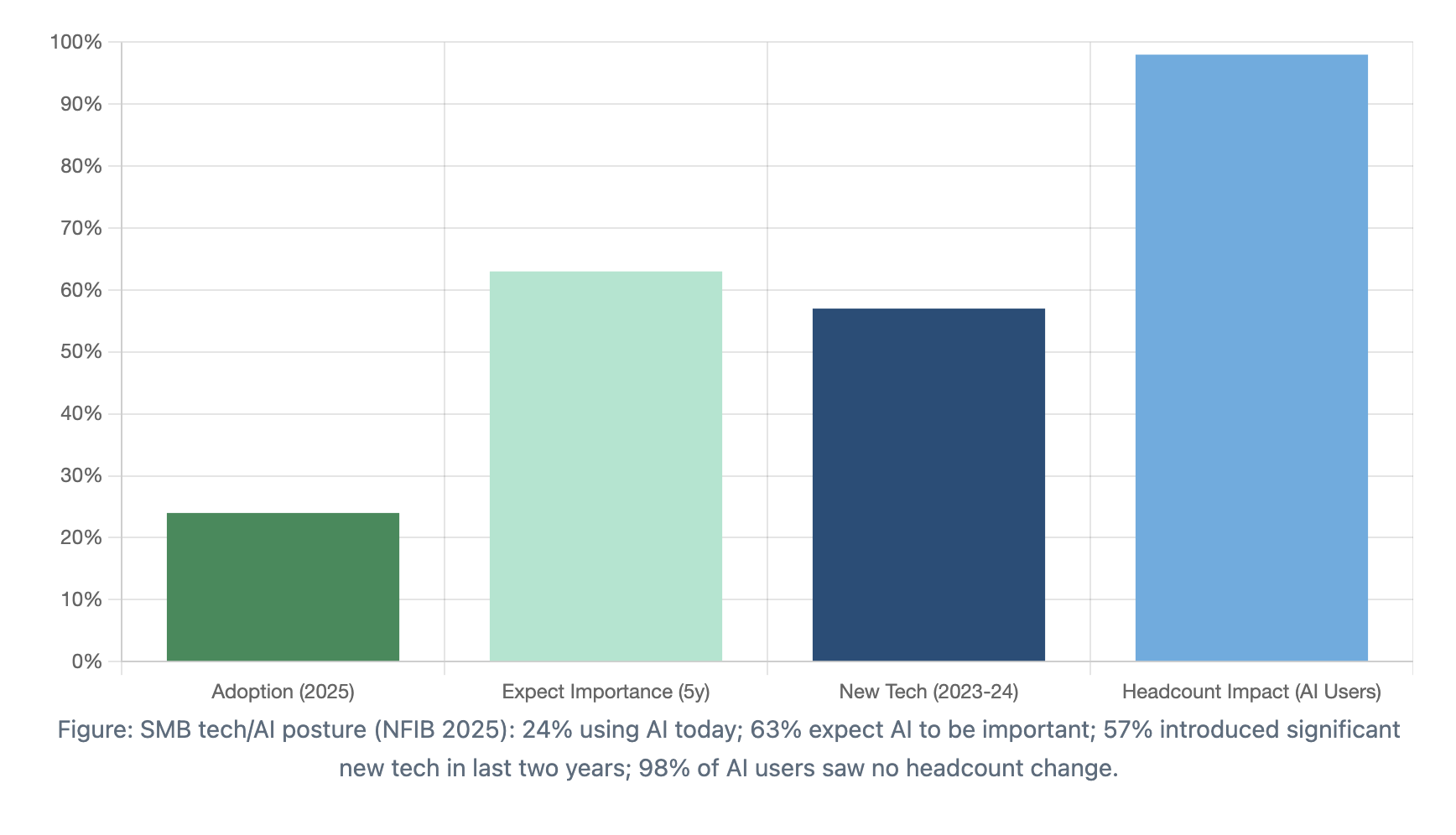
Implications
- Prioritize data structure and digitize core workflows before scaling AI.
- Treat AI as an extension of digitalization—layer models on top of clean data, documented processes, and clear metrics.
- Resist FOMO with use‑case business cases and FinOps guardrails.
Cyber Risk: Today’s Baseline
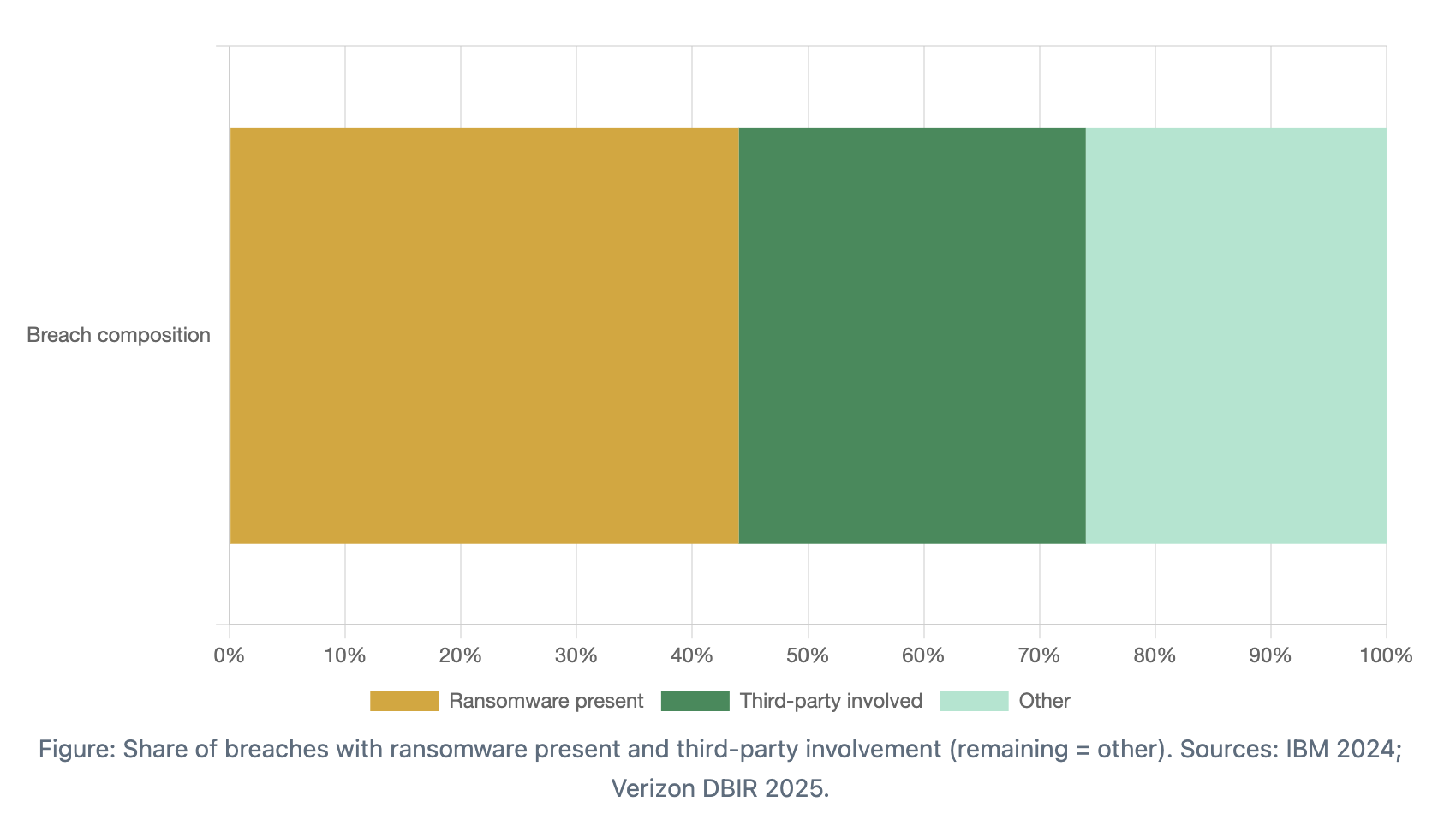
- MFA coverage < 100% or immutable backups not tested monthly
- Any unpatched, externally exposed critical vulnerability
- Critical vendors lacking current security attestation (e.g., SOC 2)
Building Decision‑Mature Strategies
Decision maturity aligns ambition with capacity and replaces assumptions with validated evidence. It prioritizes resilience, clarity, and cadence.
Validate Assumptions
Scenario test demand, input volatility, and rates; tie macro to cash‑flow sensitivities.
Align People
Define critical roles and run 90‑day capability sprints with measured outcomes.
AI as Managed Cost
Apply FinOps, track unit economics, and scale only validated use cases.
Strengthen Resilience
MFA, patch SLAs, immutable backups, vendor risk controls.
Suggested Exhibits
Source: CNBC FOMC, Sep 17, 2025.
Source: NFIB SBET.
Sources: IBM, Verizon DBIR 2025.
Conclusion
Validate assumptions, align people, run AI with guardrails, and embed resilience. The compounding effect of disciplined execution separates resilient operators.
90‑Day Plan: (1) Pick two use cases with baseline KPIs; (2) stand up FinOps & access controls; (3) launch one capability sprint; (4) run a cyber tabletop; (5) decommission low‑value apps to free cash.
References
- CNBC – Fed approves quarter‑point interest rate cut, sees two more this year (Sep 17, 2025).
- NFIB – SBET releases (Jan, Mar, Jun 2025).
- NFIB – Small Business & Technology Survey (Jun 25, 2025).
- IBM – Cost of a Data Breach Report 2024.
- Verizon – DBIR 2025 (press summary).
- MBO Partners – State of Independence 2025; Beeline/MBO releases.