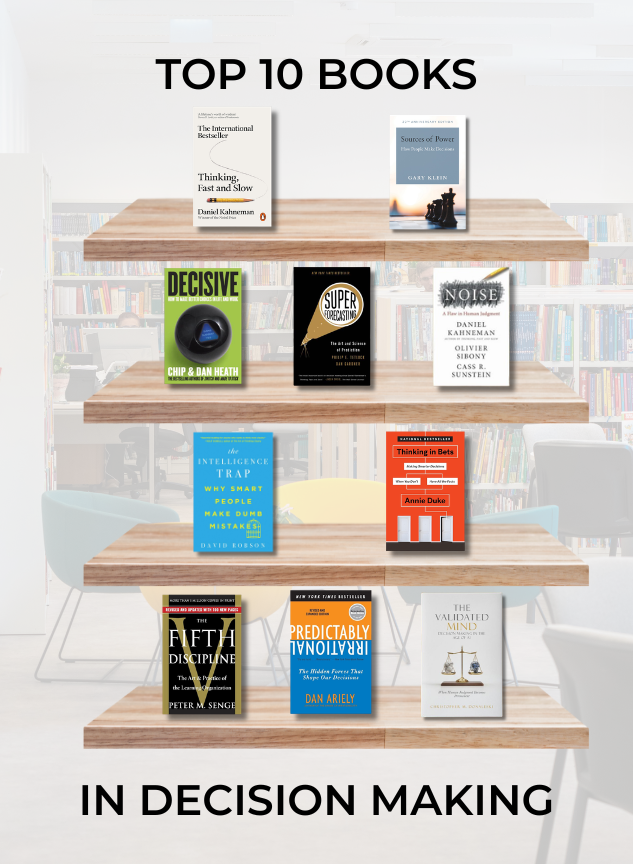
The Validated Mind Playbook for Leaders in an AI World
I’ve lived on both sides.
There were seasons when I counted every dollar. I cut subscriptions. I skipped Starbucks. I drove on fumes, stretched meals, and told myself, “Just a little leaner and we’ll be fine.” We managed to get by, but we didn’t move forward.
Then there were seasons when I stopped thinking only about saving and started building. I launched offers, called customers, tightened a process, and shipped something new. Those were the seasons that lifted us out of “paycheck-to-paycheck” and into breathing room.
Here’s the truth I learned the hard way as a founder and as a coach:
You will never 10x your business—or your life—by laying off a good worker because of automation or by skipping Starbucks for a week. New value is the only thing that really scales.
Cost discipline matters. Budgets matter. You do have to pull weeds. But a garden without seeds, water, and sunlight won’t feed anyone. This is a CEO playbook for doing both—cleaning up the mess and planting what feeds the next decade.
Why Saving Alone Stalls
Cutting costs feels clean and fast. You see the numbers move right away. But you can only cut once. After the easy cuts, the next ones take muscle with the fat…customer trust, team energy, and the wisdom you paid years to build.
Ask yourself a simple test: If this cut doesn’t make the customer’s experience better, how long will that “win” last?
Try this today: List your last 5 cuts. For each, mark:
- Helped customers (kept)
- Invisible to customers (watch)
- Hurt customers or team (replace with a smarter fix)
Noise vs. Nutrition
AI is loud right now. Tools promise magic. Boards want “AI on the roadmap.” It’s easy to aim AI at people: “replace this role,” “reduce that vendor,” “automate that task.”
But tools don’t create value. Outcomes create value.
The leaders who win don’t ask, “What can we remove?” They ask, “What will customers gladly pay for because it saves time, adds certainty, or makes work easier?” Then they use AI to deliver that outcome faster and more reliably.
Try this this week
- Ask your team: “Where do customers wait, repeat, or guess?” Pick one painful step. Use AI to remove the wait, stop the repeat, or replace the guess with guidance. Ship something small in 14 days.
The Garden Rule
Think like a grower:
- Pull the weeds (waste, rework, broken handoffs).
- Till the soil (clean data, clear ownership, simple processes).
- Plant seeds (new offers, clearer packaging, faster onboarding).
- Water consistently (training, coaching, change management).
- Give sunlight (dashboards that show real progress, not vanity metrics).
- Harvest (revenue, retention, referrals).
Weeds must go. But remember: weeding isn’t a harvest. If your calendar is full of “weed pulling,” schedule time for planting, or nothing grows.
Try this this week
- Block a 90-minute “Planting Session.” No meetings. Build one small thing that reduces time-to-value for customers.
Decide With THE VALIDATED MIND™
Here’s my 5-point VALID check for any AI or change idea. Use it as your steering wheel:
- V — Verity (Is it true?) What proof do we have from real users, real data—not wishful thinking?
- A — Association (What does it touch?) If we change this, what breaks or improves across people, process, and systems?
- L — Lived Experience (Who does the work?) What do front-line employees and customers know that leaders miss?
- I — Institutional (What must we protect?) Trust, safety, compliance, security, brand promises.
- D — Desire (Will they choose it?) Will customers pay for it? Will employees use it without being forced?
VALID in 60 seconds. Before you green-light: circle four out of five with confidence. If you can’t, learn more first. Small tests beat big regrets.
Two Short Stories, One Big Lesson
The Quarter Saver A services company adds an AI chatbot to cut support costs. Response times drop. Finance cheers. A month later, churn rises. Upsells slow. The bot answered cheap tickets but missed the moments that build loyalty. They saved money and lost momentum.
The Value Builder Another company maps one ugly journey: new customer onboarding. They use AI to pre-fill forms, check data, and guide setup. Time-to-first-value drops from days to minutes. Customers pay sooner. Tickets fall. Net revenue retention climbs. Same AI budget. A different question was asked.
Lesson: Don’t ask, “What can AI replace?” Ask, “Where will AI create value that people can feel and pay for?”
The 30-60-90 Growth Plan (Plain English)
Days 0–30: See the truth
- Pick two money-making journeys: conversion and onboarding are great starters.
- Measure three basics: time-to-value, drop-off points, and the top 5 questions customers ask.
- Run the VALID check. Kill guesses. Keep proof.
Days 31–60: Build the new value
- Ship two AI-assisted upgrades that save time for customers: guided forms, smarter search, proactive status, and self-serve setup.
- Tie each upgrade to one number: conversion, activation, renewal, or expansion. If it doesn’t move a number, it’s a toy.
Days 61–90: Lock it in
- Publish the results internally. Show the team how the customer’s life got easier.
- Train the front line. If they don’t use it, it doesn’t matter.
- Double down on what moved the number. Kill what didn’t—no guilt, just learning.
The Five-Metric Scorecard
Read this with your team every week. Color-code it: green/yellow/red.
- % of AI spend tied to revenue If a project doesn’t touch conversion, retention, or expansion, pause it.
- Pilot → Production rate We celebrate shipping, not slide decks.
- Time-to-Value (TTV) From “yes” to “I see results.” Make it shorter, then shorter again.
- Net Revenue Retention (NRR): Do customers buy more from us over time? If not, why?
- Front-line adoption: Do the people who do the work choose the new tool? If they avoid it, fix the work, not just the tool.
Try this this week
- Put the scorecard on one page. Assign one owner per metric. Pick one red/yellow to improve by next Friday.
Team Moves That Compound
Make data usable. Choose one system of record per domain. Clean it. Govern it. Keep it fresh. Messy data is like rocky soil; nothing grows.
Price the outcome, not the feature. If you make something faster, safer, or clearer, capture that in your pricing and packaging.
Coach for creation. Give every team a tiny “build budget.” Reward small shipped upgrades to the customer journey.
Protect wisdom. Pair your most experienced people with AI. Let them teach the system and the team. Knowledge is information. Wisdom is judgment. You need both.
Try this this week
- Run a 45-minute “wisdom transfer.” A veteran lists five judgment calls they make. Document them. Turn them into guidance, prompts, or checklists.
Pull Weeds. Plant Seeds. Harvest Growth.
Yes—be responsible. Pull the weeds. Watch your spending. Keep promises to customers and your team. But remember: weeding is not a harvest. You don’t build a legacy by getting cheaper. You build it by creating new value that people can feel.
This is the mindset:
- Cost is fuel.
- Value is the destination.
- Growth is the engine.
- VALID is the steering wheel.
“AI will not take your job. Someone using AI will not replace your job. You will lose your job to the person who continues to create new value.”
If you’re serious about building new value (not just cutting), join The Validated Mind Community—our space for leaders who want to ship smarter:
- Roundtables: real problems, real peers, real answers.
- Mastermind cohorts: accountability + momentum in 6–12 weeks.
- Self-paced mini courses: practical, bite-size wins you can implement this week.
You’ll also get the VALID checklist, the 30-60-90 growth plan, and a simple 5-metric scorecard to keep the team focused on outcomes.
👉 Join here: The Validated Mind Community Comment “VALID” and I’ll send you the one-pagers to start fast.
Author Note
Some portions of this article may include AI-generated text or insights derived through AI-assisted research. Information was gathered from a variety of reputable sources, including news outlets, media organizations, and publicly available reports.
The views and interpretations expressed here are solely those of Christopher Donaleski and do not necessarily represent the positions of any organizations or partners referenced. While every effort has been made to ensure accuracy, any factual errors or misinterpretations will be promptly corrected upon identification.